Emergencies do not await the excellent moment. They land in the middle of shift adjustment, during a customer check out, on a warm Friday when the air conditioning is already struggling. What makes the difference in between a close telephone call and a disaster is often the high quality of your emergency situation control organisation, and whether your wardens know what to do readily. The pathway from fire warden to chief warden is not nearly collecting certifications. It is a progression in judgment, tranquil decision production, and the ability to lead individuals when the alarm system is genuine and the clock is unforgiving.


This guide traces a useful path through both core competency devices in Australia that underpin this capacity: PUAETF units have greatly been superseded by PUA and PUAFER devices, including PUAFER005 Operate as part of an emergency control organisation and PUAFER006 Lead an emergency control organisation. It explains where each course fits, what is anticipated of you at each degree, just how to structure training on site, and the mistakes that flounder also well prepared teams.
The emergency control organisation in practice
Every center requires an emergency control organisation, sometimes called the ECO, with wardens designated to areas or floorings, a chief warden, and frequently a deputy chief warden and interactions officer. In multi building or multi lessee sites, each tenancy may have its own ECO that coordinates to a building level chief warden. The ECO's work is to identify, interact, and reply to cases, then sustain discharge or relocation till emergency solutions take command. That sounds straightforward, yet every structure, roster pattern, and risk profile complicates the job.
Think of the ECO as a muscle mass you develop, not a roster you fill up. The framework should match your tenancy account. That includes after hours protection, contractors, visitors, and accessibility requirements. It additionally includes the much less apparent: a significant printer moving that obstructs a course of travel, or an accessibility card policy that mistakenly traps site visitors at gates throughout evacuation. The most efficient ECOs are alert to little modifications due to the fact that little changes commonly have huge influences under stress.
Fire warden principles, the PUAFER005 standard
The warden path starts with PUAFER005 Operate as part of an emergency control organisation. In plain terms, this is your fire warden course. The system covers the core tasks wardens carry out throughout pre event readiness and throughout an occasion: sweeping locations, using fire devices when risk-free, communicating with the chief warden, guiding people to setting up, and maintaining themselves safe.
Fire warden training under PUAFER005 concentrates on the nuts and screws:
- Recognition of alarm systems and advising systems, including tones, strobes, WIP phones, and announcements. Practical use mobile equipment such as extinguishers and fire blankets, and the judgment to recognize when not to make use of them. Search and clearing up strategies, consisting of exactly how to sweep shower rooms, web server rooms, silent spaces, and end of journey centers where individuals put on headphones or may not hear the alarm. Communication methods making use of radios and WIP panels, and the discipline to maintain messages brief and precise. Assisting occupants with handicaps or injuries, consisting of utilizing Evacuation Chairs and group methods on stairs.
That all looks easy until you do it for real. In one evacuation I observed, a warden that breezed through theory training iced up at the sight of smoke pressing from a kitchenette. The extinguisher hung untouched for a matter of 5 while the kettle boiled completely dry and the variety hood caught. The re-training later on did not concentrate on theory. We relocated to circumstance drills in the actual kitchenette, with full PPE and a safe shed tray, so the muscular tissue memory took over. That is the spirit of PUAFER005: useful, site specific, and based in real tasks.
Fire warden requirements in the workplace
Workplaces have to assign wardens proportionate to their danger and tenancy. As a rule of thumb, one warden for every 20 to 50 owners on a floor benefits reduced danger workplaces, yet higher threat atmospheres require more coverage. Take into consideration the footprint: lengthy passages, multiple fire doors, mezzanines, or controlled areas like laboratories all require added wardens. You require enough deepness to cover leave, travel, and sick days, and to cover night shifts or weekend procedures if the site runs around the clock.
There is no use calling wardens unless you provide the moment and authority to train. If managers do not release wardens for drills, you have a paper ECO. Construct training into the schedule and safeguard it much like you would a customer deadline.
Fire warden training needs and cadence
The conventional method is preliminary PUAFER005 course shipment, website induction details to your building, and after that refreshers. Yearly refresher course training keeps expertise present. If your dangers alter, refresh quicker. After any type of actual incident, deal with the article event review as a learning occasion and routine targeted abilities sessions. Keep a training matrix by name, duty, and competency day, and audit it quarterly. If you are audited or after a case, that matrix is the very first record asked for.
Helmets, hats, and the actual point of colours
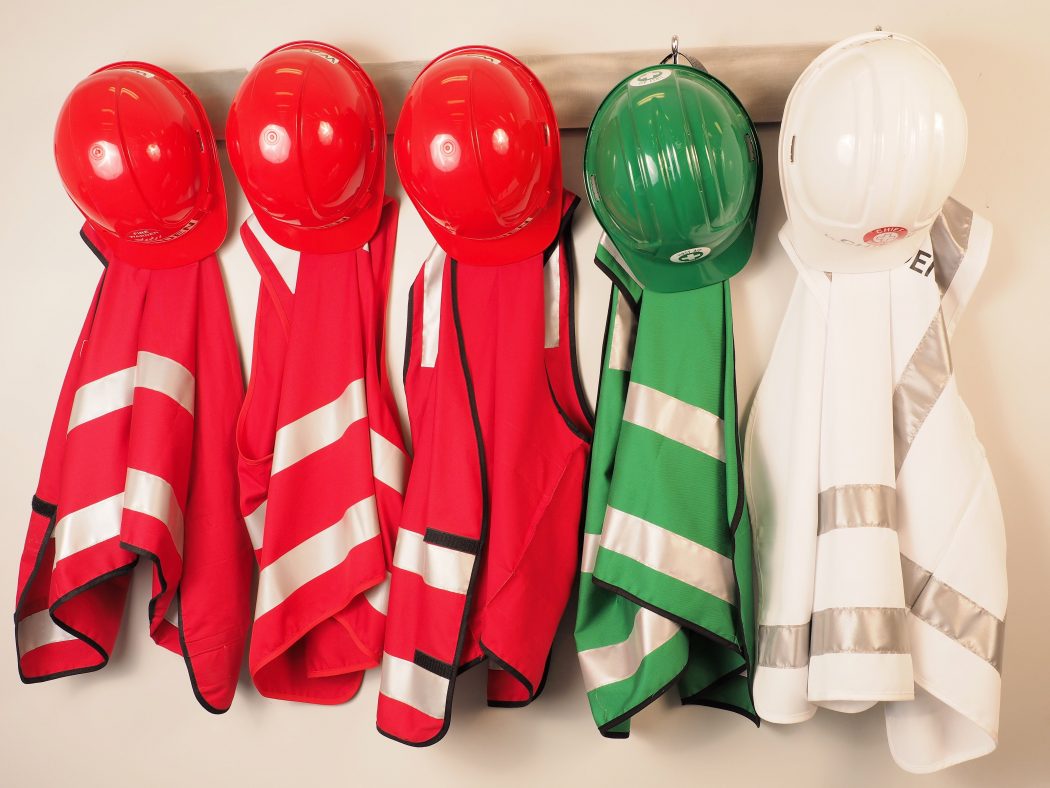
People usually ask about the fire warden hat colour and what colour helmet a chief warden puts on. Tones vary by jurisdiction and firm policy, but the most widely made use of system in Australia assigns red to area wardens and white to primary wardens. Communications or replacement duties frequently use white with marked identifiers or in some cases yellow. High presence vests with the function published front and back have mainly changed hard helmets in many offices that do not require head security by default, though helmets still show up on building and construction websites and plants.
Colour is a tool for rate. In a jampacked setting up location, passengers must be able to select the chief warden in two seconds, not twenty. See to it your vests are tidy and available, not buried in a cabinet. I have seen groups lose mins rummaging for the ideal vest while the alarm system shrieks. Select your plan, tag tools, and store it at chosen points. The much better concern is not what colour helmet a chief warden uses, it is whether the chief warden, plainly identifiable, is simple to find and in control when individuals try to find leadership.
Stepping approximately leadership, the PUAFER006 standard
Where PUAFER005 has to do with operating as part of an ECO, PUAFER006 Lead an emergency control organisation has to do with command. The chief warden's role broadens from carrying out jobs to choosing, allocating resources, and communicating with emergency situation services. A PUAFER006 course prepares you to run rundowns, established concerns, control communications, and keep situational recognition as conditions change.
Chief warden obligations expand beyond discharge day. They consist of building an ECO that can cover lacks, preserving emergency situation feedback strategies, collaborating with the structure supervisor or body business, making sure equipment like WIP phones and EWIS are examined, and maintaining training existing. Throughout an event, the chief warden:
- Confirms the case panel area and type, confirms information from flooring wardens, and avoids early emptying when an alert can be investigated. Sets up a control factor, normally the fire control room or a safe vantage in the entrance hall, and regulates all radio traffic. Decides between protect in place, partial evacuation, and full emptying with organized sequencing to stay clear of stairwell congestion. Keeps a solitary communication network to emergency solutions, offers succinct updates, and adheres to instructions when they show up on site.
The most advanced component of PUAFER006 is decision making under unpredictability. Smoke reports on level 3 might be steam. A smell of shedding plastic on degree 7 can be a lift motor controller, not a workplace fire. Pulling the constructing out unnecessarily costs countless effective hours and blunts the seriousness of future alarms. Delaying also long courts calamity. You will not obtain every call perfect, yet you can obtain the procedure right. That indicates validate swiftly, make a decision, and communicate in ordinary language.
Chief warden training that works
Good chief fire warden training mixes classroom collaborate with sensible drills at the website control board. Run tabletop workouts with layout, after that relocate to live simulations with radios. Turn deputies through the chair so the group is not over dependent on one person. If you have a large website, run split scenarios where two events happen at once, as an example a little battery fire on one level and a medical emergency situation near a stairwell on an additional. It checks prioritisation and delegation better than any type of lecture.
https://blogfreely.net/narapskass/chief-fire-warden-duties-case-command-interaction-and-securityChief fire warden tasks additionally consist of tranquil aftercare. As Soon As the Fire Brigade hands you the website, you manage the return or stand down. That includes accounting for owners, making news, and managing the complicated middle ground when some floorings can return and others remain isolated. Document your choices. Regulators and insurers try to find proof that a competent person led the response.
Matching programs to people and risks
Not everyone need to be a chief warden, and not every positive speaker needs to be a floor warden. Select for judgment, dependability, and the ability to maintain their voice degree when the space is loud. Individuals with deep facility expertise shine in warden functions. Safety, maintenance, mailroom managers, and long tenured administrators commonly recognize the structure far better than anyone else. They know which fire doors stick on moist days and which exit floods in a downpour.
Start with PUAFER005 for anybody appointed as an emergency warden. For those who have management potential or cover the entrance hall, safety workdesk, or facilities function, progression to PUAFER006. In huge or complex websites, nominate a little staff of chiefs and deputies who turn with duty weeks. In websites with high risk processes, such as labs, cooking areas, or production line, invest more time in scenario job and on using neighborhood firefighting equipment. For a multi occupant building, your chief warden need to deal with the structure's chief warden to work with discharges, specifically if renters share stairways or plant rooms.
The warden course series, step by step
Below is a succinct pathway that mixes compliance with functional readiness.
1) Appoint and quick. Recognize wardens by area and shifts. Issue vests, radios, and keys or gain access to qualifications. Walk the paths with them.
2) Train to PUAFER005. Book a reliable service provider for on website training that covers your panel and tools. Consist of extinguisher practice.
3) Induct chiefs to PUAFER006. Put your chief warden and deputies via the training course with circumstance drills at your real website, not simply a classroom.
4) Drill every three months. Alternate in between emptying drills, partial movings, and targeted workouts like stairwell circulation and interactions practice.
5) Testimonial and freshen. After each drill or incident, capture lessons found out, upgrade treatments, and schedule refreshers. Maintain your matrix current.
Working with devices and infrastructure
You can not lead what you do not recognize. Wardens and chiefs need to be hands on with the building's systems. Hang around at the fire indicator panel, comprehend just how the EWIS acts in Alert and Emptying modes, and practice using chief warden course WIP phones. In high rise buildings, stair pressurisation and lift homing affect just how people relocate and how smoke behaves. In heritage buildings with weird egress courses, practice is vital.
Do not disregard the humble radio. I have actually watched otherwise well trained teams fall short as a result of careless radio practice. Ban chatter. Keep messages brief: area, status, activity required. Use ordinary English, not jargon. And bring spare batteries. A 10 dollar oversight can sink a million buck response.
Documentation that really helps
Emergency plans tend to bloat. Go for a lean file that any individual can review while stressed. Keep get in touch with trees present, and consist of a one web page duty card for each and every warden role with the essentials in order: identify, communicate, sweep, record, assist. Place laminated duplicates at the control point. For the chief warden, consist of choice motivates: validate resource, select reaction level, control comms, coordinate with fire services, represent residents, start organization connection if needed.
Logs issue. During a case, appoint a scribe if you can save one. Time stamp trick choices and reports. Later, that document will help you explain why a choice made good sense with the info you had.
Edge cases that arrange the great from the great
Real structures do not act like layouts. A few chronic problem places deserve interest:
- Assembly areas that become wind passages. Settle on fallback areas and show wardens how to make the call if smoke drifts. Stairwell bottlenecks. Startle evacuation by floorings or halves of floors to stay clear of crush, especially in narrow stairway cores. Visitors and contractors. Function needs to have a quick roll and a method to determine who is still inside. QR code sign in systems aid, but only if someone owns the procedure during an evacuation. People with temporary disabilities. A sprained ankle after a netball game can make complex egress. Teach pal systems and prepare for bring helps with Emptying Chairs. Power and lights failing. Technique emptyings with lights off in at the very least one drill per year. Torches in warden kits are not optional.
The colour inquiry, revisited
If you standardise on vests rather than helmets, identify them clearly: Chief Warden, Deputy Chief Warden, Communications, Flooring Warden. Keep spares and dimension them for wear over large apparel or high vis. If you run in a site that needs safety helmets, preserve a consistent color scheme throughout service providers and occupants. The chief warden hat colour need to be quickly recognisable, commonly white. Record your plan in the emergency situation plan and display it near the panel so contractors and site visitors can orient quickly.
Training suppliers and high quality markers
Not all training courses are equivalent. For PUAFER005 and PUAFER006, look for instructors who insist on website details distribution. A great PUAFER005 course connections extinguisher technique to the real risks in your office, as an example electric cupboards, lithium battery billing areas, or commercial kitchen areas. An excellent PUAFER006 course hangs out at your panel, tests your comms, and runs circumstances that fit your tenancy pattern.
Ask service providers how they validate competency past a quiz. Ask whether they include article training course suggestions for your site. The most effective instructors leave you with a strike list of small solutions that improve real preparedness: a mislabeled door, a radio dead place, a cupboard blocking a leave sign.
Maintaining ability over time
People modification tasks, workplaces are refurbished, and plant spaces evolve. Capability decomposes if you ignore it. Revolve wardens through different areas so knowledge spreads. When you onboard a brand-new flooring, run a short warden workshop before occupancy. After any kind of emergency alarm that activates a discharge, hold a brief debrief the exact same day while memories are fresh. Capture what functioned and what did not. If the alarm system was incorrect or because of maintenance, explain that to team. Silence breeds cynicism.
For leaders, step out of the primary function sometimes and watch a floor warden throughout a drill. You will certainly discover where guidelines are vague. Furthermore, put a replacement in the chair during a drill while you stand back and observe. Much better to find a weak point then than throughout a genuine smoke event.
Legal and sensible alignment
Regulators expect that you assign, educate, and resource your ECO. They likewise anticipate documents. Maintain duplicates of PUAFER005 course certificates and PUAFER006 course certifications, plus your drill records and tools service logs. If your site covers several territories or consists of high danger locations like unsafe chemical storage, confirm any additional obligations with your safety and security group. Compliance keeps you sincere, yet the real reward is resilience under pressure.
One day on the flooring, two perspectives
A quick story from a campus style site. At 10:42 a.m., a faint burning scent got to level 2. A new warden, lately trained under PUAFER005, followed procedure: reported to the principal, started a fast sweep, and located a printer fuser smouldering in a copy room. He shut the door to restrict smoke and drew the nearby CO2 extinguisher with an associate. The chief warden, educated under PUAFER006, held the evacuation order while validating with the Fire Indicator Panel, after that announced a local emptying for degrees 2 and 3 only, with a suggestion to stay clear of stairwell A due to upkeep. The brigade showed up to a tranquil entrance hall and clear info. Total interruption: 27 minutes for 2 floorings, no injuries, and one printer changed that mid-day. That is the mark of a pathway working as it should: task capability at the warden level, determined choice making at the principal level.
Building your pathway, from warden to chief
If you are going back to square one, established a 90 day plan:
- Week 1 to 2: assign wardens, define zones, and supply packages with vests, torches, and radios. Week 3 to 6: deliver PUAFER005 operate as part of an emergency control organisation to all wardens, with extinguisher practice. Week 7 to 8: provide PUAFER006 lead an emergency control organisation to principals and replacements, including panel drills. Week 9 to 12: run a full structure drill and a targeted circumstance, after that review, solution, and timetable the next quarter's exercises.
From there, preserve tempo. A year goes rapidly. Without a schedule, training wanders, rosters change, and institutional understanding thins out.
Common inquiries, responded to plainly
Do I need both PUAFER005 and PUAFER006 programs? If you will lead the ECO as chief or replacement, yes. If you work as a flooring or area warden, PUAFER005 is the standard. Some organisations upskill elderly wardens with PUAFER006 to strengthen coverage.
How frequently should emergency warden training occur? Run a formal refresher course at least annually. Include targeted sessions after modifications or cases. Short refreshers at the start of fire season are smart for sites in bushfire vulnerable areas.
What regarding chief fire warden requirements? Beyond PUAFER006, the principal ought to fit with the structure's systems, able to run instructions, tranquility under stress, and available throughout shifts or covered by deputies that are. They require the authority to call emptyings and the trust of management to shut areas when security needs it.
What is the best warden to passenger proportion? For reduced risk offices, one warden for each 20 to 50 individuals per flooring, with at the very least one replacement, generally is enough. For complex or high danger areas, tighten the ratio and ensure expert wardens exist throughout operations.
What colour is the chief warden hat? Commonly white. More important, make the duty unmistakable with plainly marked vests or helmets, maintained obtainable and in excellent condition.
The reward for doing this well
Warden training is just one of the few security financial investments that repays noticeably. Staff notice when drills are crisp, instructions are clear, and wardens understand their building. They trust the process. That trust translates right into faster conformity and more secure end results when an alarm system rings genuine. The path from fire warden to chief warden, secured by PUAFER005 and PUAFER006, builds that capability. Beginning with solid fundamentals, train where you work, and technique commonly enough that it really feels regular without coming to be memorizing. When the pot boils dry, the lift controller smokes, or a lithium battery fails in a storage room, your ECO will certainly not be presuming. They will certainly be doing.
Take your leadership in workplace safety to the next level with the nationally recognised PUAFER006 Chief Warden Training. Designed for Chief and Deputy Fire Wardens, this face-to-face 3-hour course teaches critical skills: coordinating evacuations, leading a warden team, making decisions under pressure, and liaising with emergency services. Course cost is generally AUD $130 per person for public sessions. Held in multiple locations including Brisbane CBD (Queen Street), North Hobart, Adelaide, and more across Queensland such as Gold Coast, Sunshine Coast, Toowoomba, Cairns, Ipswich, Logan, Chermside, etc.
If you’ve been appointed as a Chief or Deputy Fire Warden at your workplace, the PUAFER006 – Chief Warden Training is designed to give you the confidence and skills to take charge when it matters most. This nationally accredited course goes beyond the basics of emergency response, teaching you how to coordinate evacuations, lead and direct your warden team, make quick decisions under pressure, and effectively communicate with emergency services. Delivered face-to-face in just 3 hours, the training is practical, engaging, and focused on real-world workplace scenarios. You’ll walk away knowing exactly what to do when an emergency unfolds—and you’ll receive your certificate the same day you complete the course. With training available across Australia—including Brisbane CBD (Queen Street), North Hobart, Adelaide, Gold Coast, Sunshine Coast, Toowoomba, Cairns, Ipswich, Logan, Chermside and more—it’s easy to find a location near you. At just $130 per person, this course is an affordable way to make sure your workplace is compliant with safety requirements while also giving you peace of mind that you can step up and lead when it counts.